
This article contains affiliate links. As an Amazon Associate, I earn from qualifying purchases at no extra cost to you.
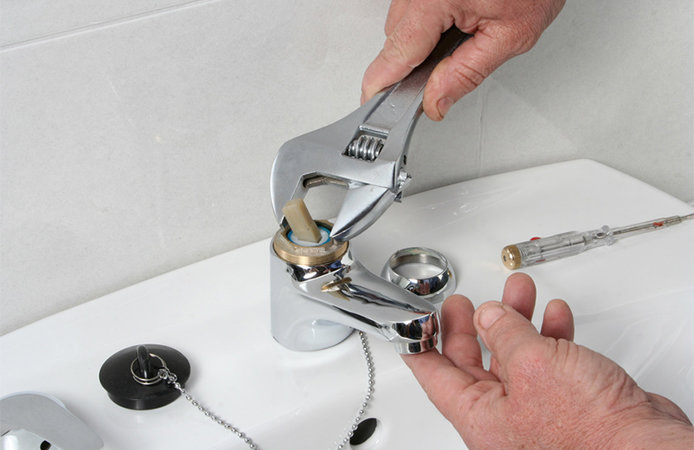
A leaky faucet might seem like a small problem, but it can waste a surprising amount of water and slowly increase your utility bill. The good news is that this is one of the easiest home repairs you can handle yourself, even if you have no prior experience.
With a few basic tools and a clear process, you can fix most faucet leaks in under an hour.
Identify the type of faucet first
Before starting, it’s important to know what kind of faucet you’re dealing with. The most common types are compression, cartridge, ball, and ceramic disk faucets.
Most modern homes use cartridge or ceramic disk faucets, which are generally easier to repair. Identifying the type helps you understand what parts might be causing the leak.
Turn off the water supply
This is the most important step before doing any repair. Look under your sink and turn off the water valves. If you skip this step, you’ll end up with water spraying everywhere once you start disassembling the faucet.
After turning off the valves, turn the faucet on to release any remaining water in the lines.
Plug the drain to avoid losing parts
Small screws and components can easily fall into the drain while you’re working. Use a sink plug or cloth to block the drain before you begin taking anything apart.
This simple step saves a lot of frustration later.
Disassemble the faucet carefully
Use a multi-bit screwdriver set with interchangeable heads to remove the handle and access the internal components. Take your time and keep track of each piece as you remove it.
Laying parts out in order can make reassembly much easier.
Inspect and replace worn parts
Most faucet leaks are caused by worn-out washers, O-rings, or cartridges. Once you have the faucet open, check these components for damage or wear.
Replacing a small part is usually all it takes to stop the leak. This is a simple fix that costs very little compared to calling a professional.
If you’re building your DIY confidence, this is a great place to start before moving on to other repairs like those in how to fix common household problems quickly.
Use the right tools for the job
Having the right tools makes this process much easier. A household tool kit with hammer, screwdrivers, and pliers will cover most basic repairs, including faucet fixes.
Using proper tools prevents damage to parts and helps you complete the repair faster.
Reassemble the faucet properly
Once the worn parts are replaced, reassemble the faucet in the same order you took it apart. Make sure everything is tightened securely but avoid over-tightening, which can damage components.
Take your time with this step to ensure everything fits correctly.
Turn the water back on and test
Slowly turn the water supply back on and test the faucet. Check for any leaks and make sure the handle operates smoothly.
If everything is working properly, your repair is complete.
Know when to replace instead of repair
If your faucet is very old or heavily damaged, replacing it might be a better option than repairing it. However, most leaks are caused by small, inexpensive parts that are easy to fix.
Starting with simple repairs like this helps you build confidence for more advanced DIY projects.
Prevent future leaks with simple habits
Regularly checking your faucet for small drips and fixing issues early can prevent bigger problems later. Avoid turning handles too tightly, as this can wear out internal components faster.
Keeping your tools organized also helps you respond quickly when issues come up. If your space feels cluttered, using smart storage hacks for small spaces can make your tools easier to access when you need them.
Fixing small problems saves time and money
Learning how to fix a leaky faucet is one of the most useful DIY skills you can have. It saves money, reduces water waste, and gives you confidence to handle other home repairs.
Once you realize how simple these fixes can be, maintaining your home becomes much less stressful and far more manageable.