
This article contains affiliate links. As an Amazon Associate, I earn from qualifying purchases at no extra cost to you.
A clogged drain is one of the most common household problems, and it usually happens at the worst possible time. While chemical drain cleaners might seem like a quick fix, they can damage your pipes and are often unnecessary.
The good news is that most clogs can be cleared using simple, safe methods that you can do yourself with minimal tools.
Start with boiling water
Before trying anything complicated, pour boiling water down the drain. This works especially well for grease, soap buildup, and light clogs.
Boiling water can break down residue and clear minor blockages quickly without any extra effort.
Use dish soap for grease buildup
If your drain is clogged with grease, add a few drops of dish soap followed by hot water. The soap helps break down oils and allows them to move through the pipes more easily.
This is one of the simplest and most effective first steps.
Try baking soda and vinegar
A natural and safe alternative to chemicals is using baking soda and vinegar. Pour baking soda into the drain, followed by vinegar, and let the mixture sit for about 10–15 minutes before rinsing with hot water.
This reaction helps loosen debris and clear mild blockages.
Use a plunger for stronger clogs
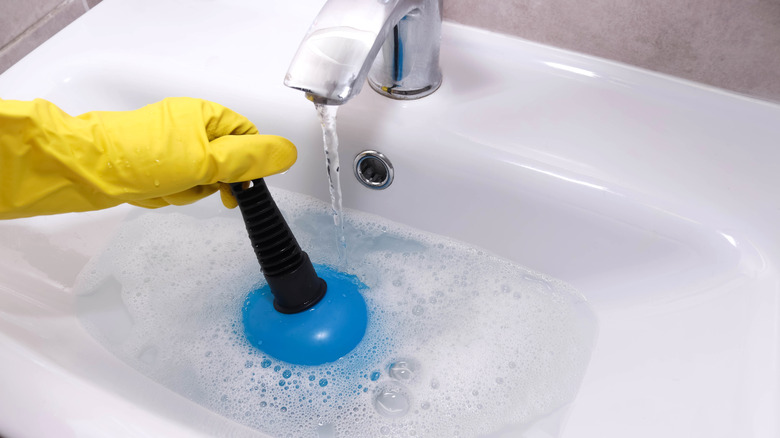
If the clog doesn’t clear, a plunger is your next step. It creates pressure that helps dislodge whatever is stuck in the pipe.
A sink and drain plunger for home use is one of the most effective tools for clearing stubborn clogs without damaging your plumbing.
Make sure to seal the drain properly and use steady pressure for the best results.
Remove debris manually when possible
Hair, food, and other debris often sit near the surface of the drain. Removing these manually can quickly solve the problem.
A drain snake tool for hair and debris removal makes it easy to pull out clogs that are just below the surface.
This is especially useful in bathroom sinks and showers.
Clean the drain trap
If the clog is deeper, it may be in the P-trap under the sink. Place a bucket underneath, unscrew the pipe, and clean out any buildup.
This step might seem intimidating, but it’s actually simple and very effective.
If you’re getting more comfortable with repairs like this, it pairs well with how to fix common household problems quickly so you can handle multiple issues on your own.
Avoid using harsh chemicals
Chemical drain cleaners can corrode pipes over time, especially in older homes. They also don’t always fully clear the clog, which means the problem can come back.
Natural methods and simple tools are usually more effective and safer long term.
Prevent future clogs with simple habits
The easiest way to deal with clogs is to prevent them from happening in the first place.
- Avoid pouring grease down the drain
- Use drain covers to catch hair and debris
- Run hot water regularly to clear buildup
Small habits like these can make a big difference.
Keep your tools accessible
Having the right tools ready makes these fixes much faster and less stressful.
If your space feels cluttered, organizing your tools using smart storage hacks for small spaces ensures everything is easy to find when you need it.
Simple fixes are often the most effective
Unclogging a drain doesn’t have to be complicated. Most issues can be solved with basic methods and a few simple tools.
Once you get used to handling problems like this yourself, you’ll save time, avoid unnecessary expenses, and feel more confident maintaining your home.